
Roof Inspection Before a Snow Storm: Protect Your Roof and Your Claim

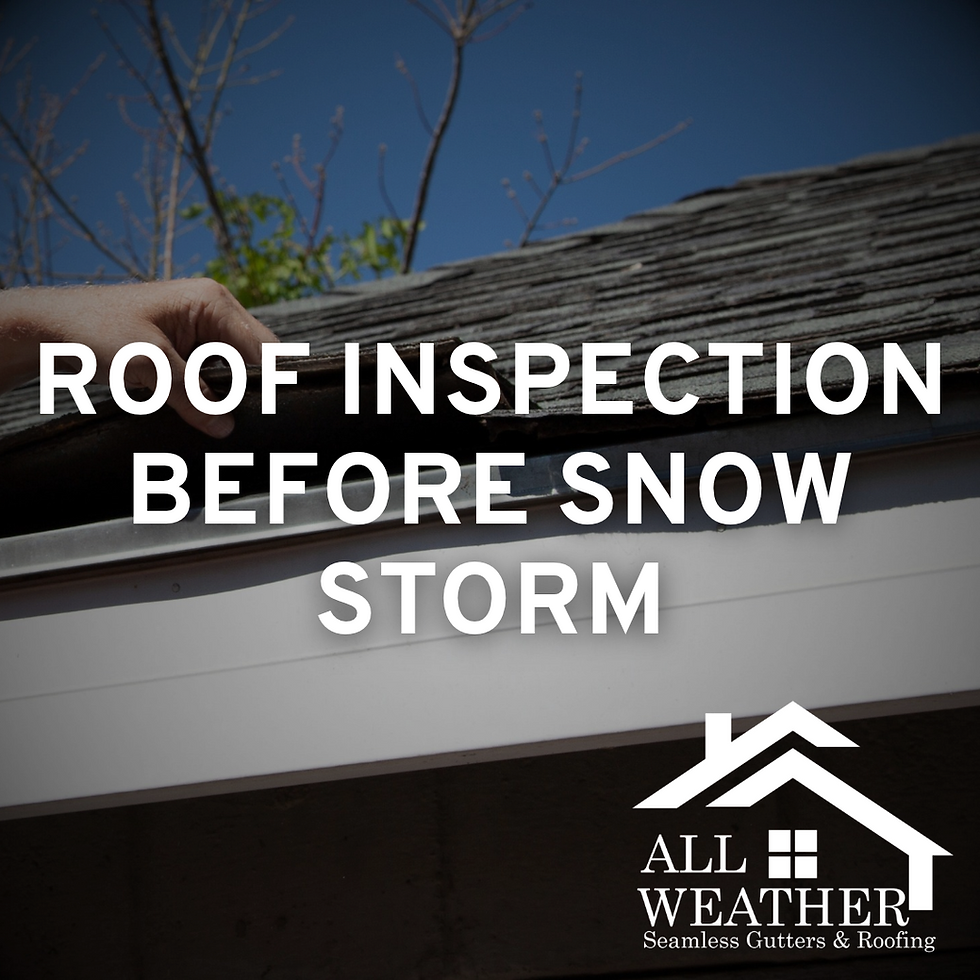
The worst time to learn your roof took hail damage in June is in January, when meltwater is dripping through a bedroom ceiling. By then the shingles are under snow, the decking may already be soaked, and your insurance adjuster will want to know why damage from a summer storm wasn’t reported months ago. A roof inspection before a snow storm is the simplest way to avoid that whole chain of events. It lets you find problems while the roof is dry and visible, repairs are straightforward, and the claim timeline is still on your side.
Here’s what an inspection should cover, why eastern Colorado roofs need one more than most, and what to do if something turns up.
Why a Roof Inspection Before a Snow Storm Matters on the Plains
Northeastern Colorado sits in one of the most hail-prone regions in the country. Roofs from Brighton out to Sterling take a beating every summer, and much of that damage can’t be seen from the ground. Then winter brings its own stresses. Strong plains winds lift and crease shingles, snow drifts pile unevenly against roof features, and daily freeze-thaw cycles work on every weak spot.
Snow itself is rarely what ruins a roof. It finds damage that’s already there. Getting a roof inspection before a snow storm, ideally before the first significant one of the season, gives you a clear picture while repairs can still be done in reasonable weather.
Summer Hail Doesn’t Stay Hidden Forever
A hail strike doesn’t always crack a shingle. Often it leaves a bruise: a soft spot where the protective granules are knocked loose and the asphalt mat underneath is exposed or fractured. From the street, the roof looks fine. Over the following months, sun and weather break down that exposed area further.
Winter speeds the process up. Melting snow runs into damaged spots, freezes overnight, and expands, opening small cracks a little wider each cycle. A roof that would have qualified for a simple repair or a clean insurance claim in the fall can have water damage underneath by spring, and that’s a harder conversation with both a contractor and an insurance company.
The Insurance Clock Most Homeowners Don’t Know Is Running
Here’s the part of winter roof prep that rarely gets discussed. Homeowners insurance policies set deadlines for reporting storm damage, and in general those deadlines count from the date of the storm, not the date you notice a leak. Many policies also expect homeowners to take reasonable steps to prevent further damage once they know about a problem. If a summer hail event cracked shingles and winter water then rotted the decking, an adjuster may treat the water damage differently from the original hail damage.
An inspection before the snow flies helps on both counts. It documents storm damage while it’s still clearly tied to a specific event, and it gives you time to file within your policy’s window. Every policy is different, so check your own deadlines and coverage terms, ideally with your agent, before winter sets in.
What Inspectors Look for Before the First Big Snow
A thorough pre-winter inspection should go well beyond a quick look from a ladder. Expect the inspector to check:
Shingles: missing, lifted, or creased tabs from wind, plus hail bruising and granule loss
Flashing: around chimneys, skylights, and walls, where gaps let meltwater in
Pipe boots and vents: rubber collars that crack after years of sun exposure
Decking: soft or spongy areas that suggest moisture is already getting in
Attic ventilation and insulation: problems here lead to ice dams at the eaves
Gutters and downspouts: fit, slope, and the debris and granules collected inside
Granules piling up in the gutters are among the most telling signs of hail damage. They’re the protective layer your shingles are losing.
Your Gutters Are Part of the Inspection
Gutters are your roof’s drainage system, and in winter they carry a much heavier load. Clogged gutters hold meltwater against the roof edge, where it refreezes and feeds ice dams that can push water under shingles and into walls. Ice-packed gutters are also heavy enough to pull away from the fascia.
If your gutters are dented from hail, leaking at the seams, or sagging, fix them before winter rather than after. Seamless gutters remove the joints where most leaks and ice buildup start. Paired with proper downspout placement, they move water away from the roof edge and the foundation.
Commercial and Ag Buildings Need the Same Attention
Shops, storefronts, and agricultural buildings in towns like Fort Morgan and Keenesburg often have low-slope or metal roofs, and those fail in different ways. On a low-slope roof, snow and meltwater collect around clogged drains and scuppers, and fasteners on metal roofing loosen under freeze-thaw movement and wind. A pre-winter check of drains, seams, and fasteners is part of good commercial roofing maintenance, especially on buildings where a leak could damage inventory, equipment, or business operations.
What to Do if the Inspection Finds Damage
If an inspection turns up storm damage, act quickly but carefully. Make sure the damage is photographed and documented with the date. Review your policy’s reporting requirements and contact your insurance company to open a claim. If there’s an active leak or exposed decking, arrange temporary protection to prevent further damage, and keep records of what was done.
From there, work with a contractor who knows how storm claims actually work. That includes documenting damage in a way adjusters can evaluate and meeting with the adjuster on site when needed. If the roof is past repair, residential roofing replacement before or between winter storms can usually be scheduled, especially when the claim is already underway.
Don’t wait for a melt to show you where the damage is. Contact All Weather Seamless Gutters & Roofing today to schedule a pre-winter roof inspection for your home or building in Brighton, Fort Morgan, Sterling, or anywhere across northeastern Colorado.


Comments